
Understanding the psychological triggers behind gambling behavior
The Allure of Risk and Reward
The thrill of gambling often stems from the psychological appeal of risk versus reward. People are naturally drawn to activities that involve uncertainty, as they can trigger a rush of adrenaline. This excitement is amplified in gambling situations, where the potential for a big win can overshadow the real possibility of loss. Many individuals engage in gambling with the hope of achieving significant financial gains, often fueled by the allure of quick wealth. It’s important to keep in mind that resources like this can help you navigate responsible practices.
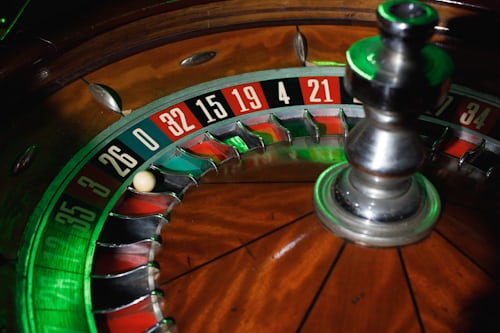
This fascination is supported by the concept of variable rewards, where the unpredictability of winning keeps players engaged. When wins are infrequent but large, it encourages continued participation, despite the odds being against them. This psychological phenomenon, known as the “gamblers’ fallacy,” can lead individuals to misinterpret their chances of winning, further entrenching them in gambling behaviors.
The Role of Social Influences
Social dynamics play a critical role in gambling behavior. Peer pressure and social interactions can heavily influence an individual’s decision to gamble. When individuals are surrounded by friends or family members who participate in gambling, they may feel compelled to join in to maintain social connections or to fit in.
Moreover, the advent of online gambling has transformed the social landscape, allowing individuals to gamble in the comfort of their homes while still feeling a sense of community through online platforms. This accessibility can exacerbate gambling behavior as individuals can easily seek validation or excitement from others, ultimately increasing their engagement with gambling activities.
Psychological Escapism and Gambling
Many individuals turn to gambling as a form of escapism. Life’s stresses, whether from work, relationships, or personal issues, can lead people to seek solace in gambling. The immersive experience of a casino or the engagement of an online betting platform provides a temporary distraction from reality, allowing individuals to escape their problems, albeit for a short time.
This form of coping can be dangerous, as it may lead to a cycle of dependency on gambling as a means to manage emotions or life’s challenges. Over time, this escape can morph into an addiction, where individuals feel compelled to gamble to alleviate their stress rather than addressing the root causes of their discomfort.
Cognitive Distortions in Gambling Behavior
Cognitive distortions, or erroneous thought patterns, significantly contribute to gambling behavior. Many gamblers hold onto irrational beliefs, such as the idea that they can control luck or that they have “hot” streaks. These thought processes can lead individuals to ignore the statistical realities of gambling, fostering a sense of invulnerability and overconfidence in their ability to win.
Additionally, the “near miss” phenomenon—where players come close to winning—can reinforce these beliefs, making them more likely to continue gambling despite frequent losses. Understanding these cognitive biases is essential for promoting responsible gambling habits, as recognizing these thought patterns can help individuals make more informed decisions regarding their gambling behaviors.

Resources for Responsible Gambling
For those seeking to engage in gambling responsibly, it is crucial to understand the psychological triggers that drive such behavior. Resources and support networks are available to help individuals identify their motivations and develop healthier habits. Learning about the psychological aspects of gambling can empower individuals to make informed choices and recognize when their gambling might be becoming problematic.
Additionally, various organizations offer assistance for individuals struggling with gambling addiction, including counseling and support groups. Understanding the psychological landscape of gambling can equip individuals with the tools they need to enjoy gambling as a form of entertainment while minimizing risks and maintaining control over their behaviors.